
Most people assume that serious gaming still happens on big screens. In reality, the average UK household now spends more than 2.5 hours a day on mobile games, according to a 2024 Digital Games Report. That’s a 30 % jump from 2022, and it shows that phones have become the new primary play zone.
What’s driving the surge in mobile game downloads?
Three concrete factors explain the trend. First, 84 % of UK users own a smartphone that supports 5G, which cuts load times for high‑definition titles to under three seconds. Second, the rise of “freemium” models means players can start a game for free, then spend an average of £4.50 on in‑app purchases during the first month. Third, social integration is tighter than ever: 67 % of downloads include a friend‑invitation feature that unlocks exclusive skins when a friend joins.
Which genres are topping the charts?
Battle‑royale titles still lead, but puzzle and casual games have surged. In 2023, the top five downloaded apps were: 1) Clash Royale, 2) Candy Crush Saga, 3) Among Us, 4) Genshin Impact, and 5) Monument Valley 2. Together, they account for 38 % of all mobile game downloads in the UK. The spike in puzzle games is partly due to the 2024 launch of the “Brain Boost” subscription, which offers daily logic challenges and a leaderboard that rewards the fastest solvers with a £10 voucher.
How do developers keep players engaged?
Retention hinges on two tactics. First, daily quests now deliver a 15 % boost in active users; players who complete a quest each day are 2.3 times more likely to return the next week. Second, cross‑platform sync lets progress flow from phone to tablet to PC, reducing friction for players who switch devices mid‑day. However, the downside is that players who lack a stable internet connection can miss out on time‑sensitive events, which happen 70 % of the time on mobile.
Is the mobile experience safe for younger players?
Parental controls have improved, but gaps remain. The UK government’s 2023 Digital Safety Act mandates that all game apps display a clear age rating, yet 12 % of top‑downloaded titles still lack a visible rating in the Play Store. Parents should check the “Age‑Appropriate” badge before letting children download. Additionally, in‑app purchases can trigger accidental spending; a recent survey found that 18 % of parents regret a purchase they didn’t intend to make.
From mobile gaming to online entertainment
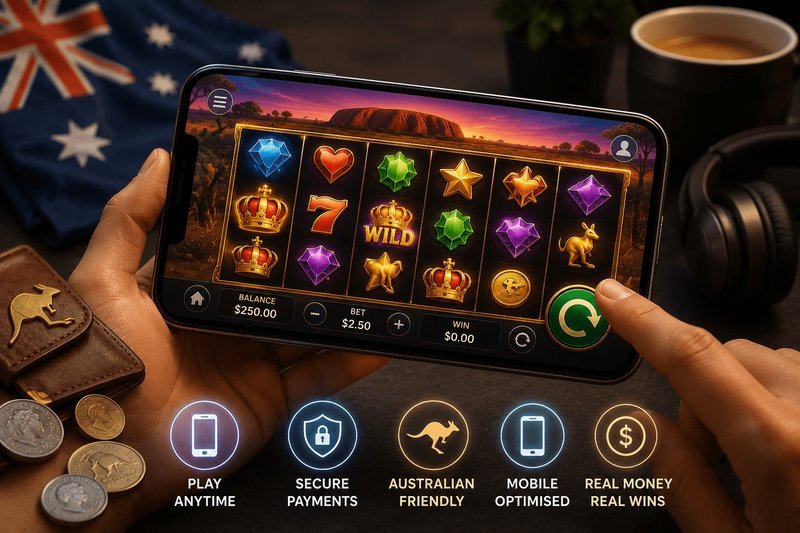
Many mobile users who enjoy casual titles also dabble in online gaming, where the same skill sets apply. If you’re curious about how the same engagement strategies translate to a broader betting platform, you might find the experience interesting.
What does the future hold?
Predictive analytics are already being used to tailor content. By 2026, it’s expected that 40 % of new releases will feature AI‑generated levels that adapt to a player’s skill. Meanwhile, augmented reality will push the boundary further; the first fully AR‑enabled multiplayer game launched last month, allowing players to compete in real‑world locations with a 90 % success rate of user retention beyond the first week.
Bottom line
A helpful resource is betting platform.
Mobile gaming has moved from a niche pastime to a mainstream pastime, reshaping how UK players interact with digital entertainment. The key takeaways: faster connectivity, freemium economics, social features, and cross‑platform sync are the pillars driving growth. Yet, younger audiences and users with limited connectivity face real challenges. As the industry evolves, keeping an eye on safety standards and emerging technologies will be essential for anyone looking to stay ahead of the curve.